Improve a Tired-Looking Impression!
Regain Bright, Youthful Eyes with Upper Face Thread Lift
Do you worry about looking "tired" every time you look in the mirror? Especially sagging around the forehead, eyebrows, and eyes can make you look much older than your actual age and give you a somewhat fatigued appearance. This aging of the upper face (forehead, eyebrows, eyes) is one of the main skin concerns many people wish to improve.
Is there a way to naturally regain a youthful and vibrant look without surgery? Here is the answer: Upper Face Thread Lift. Today, as a Korean dermatological procedure expert and SEO writer, I will tell you everything about upper face thread lift in detail, including what it is, what effects you can expect, and how to choose the right procedure for you. If you want to regain youth and confidence, pay close attention from now on!
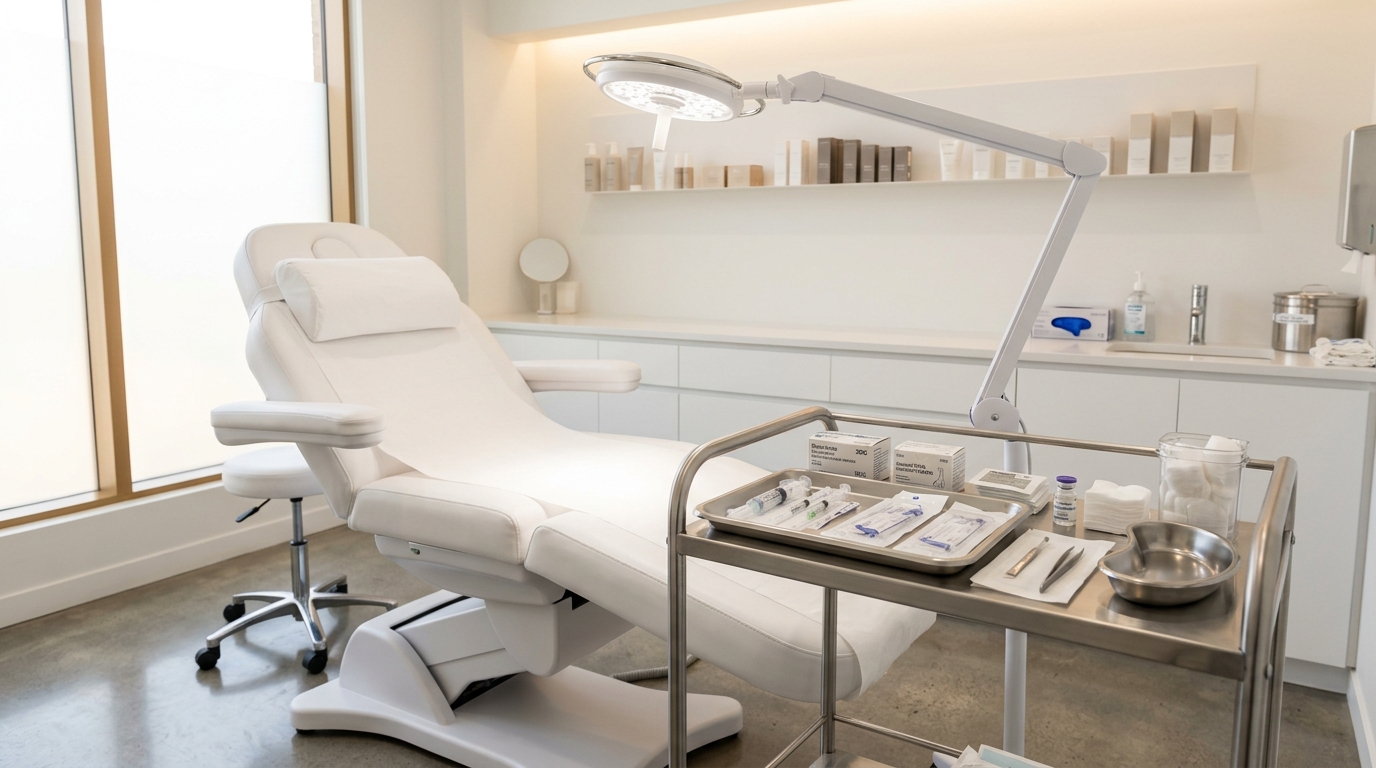
Upper Face Thread Lift, Why Should You Pay Attention?
Upper face thread lift is a non-surgical lifting procedure that improves sagging and wrinkles concentrated in the upper part of the face, such as the forehead, eyebrows, and eyes. Unlike mid-face or lower-face lifts, it requires a delicate approach due to its significant impact on the overall eye area and impression. Why is upper face thread lift receiving so much attention?
Key Characteristics of Upper Face Aging
Upper face aging goes beyond just developing a single wrinkle; it changes the entire facial impression. Representative signs of aging include:
- Forehead Wrinkles: Deep horizontal lines that appear not only when making expressions but also when at rest.
- Eyebrow Ptosis: Sagging eyebrows that make the eyes look dull or sleepy.
- Eyelid Ptosis: Sagging eyelid skin that obstructs vision or causes the outer corners of the eyes to droop downwards.
- Glabellar Lines: Vertical wrinkles caused by frowning habits, giving an angry or stubborn impression.
- Crow's Feet: Fine wrinkles around the outer corners of the eyes, commonly known as 'crow's feet'.
These issues are not just aesthetic concerns; they can also lead to a decrease in self-confidence or misunderstandings in social life. Upper face thread lift can simultaneously improve these complex signs of aging, creating a much brighter and more positive impression.
Special Strengths of Upper Face Thread Lift
Among numerous lifting procedures, the unique advantages of Upper Face Thread Lift are as follows:
- Non-Surgical Approach: It uses fine threads without incisions, minimizing concerns about scars and shortening recovery time.
- Natural Results: It provides a natural lift without an overly pulled look, making it feel like your original face, leading to high satisfaction.
- Immediate Effects and Continuous Improvement: Some lifting effect can be seen immediately after the procedure, and the inserted threads promote collagen production, further improving skin elasticity over time.
- Fast Recovery: Swelling or bruising may occur after the procedure, but most subside within a few days, allowing for a quick return to daily life.
- Customized Procedure: The type of thread, insertion direction, and number of threads are adjusted according to the individual's facial shape, degree of aging, and skin type to achieve optimal results.
Which Upper Face Thread Lift is Right for Me? Types and Process of the Procedure
Upper face thread lift is not just a simple procedure of inserting threads. The results can vary greatly depending on which threads are used, and where and how they are inserted. It is important to understand the most suitable procedure for you.
What types of threads are used? (Types of Threads)
Medical threads used in thread lifts are made of safe components that naturally decompose within the human body over time. The commonly used types of threads are as follows:
- PDO (Polydioxanone) Threads: The most commonly used threads, excellent for improving skin elasticity by strongly promoting collagen production. The duration of effect is approximately 6 months to 1 year.
- PCL (Polycaprolactone) Threads: More flexible and softer than PDO threads, allowing for natural movement, and have a longer duration of effect, approximately 1 to 2 years. They also have excellent collagen production effects.
- PLLA (Poly-L-Lactic Acid) Threads: Have the longest duration of effect (approximately 1.5 to over 2 years) and excellent collagen regeneration effects, making them effective for long-term skin elasticity improvement.
In addition, there are various types of threads depending on their shape, such as 'Cog threads' with barbs for good traction, 'Screw threads' wound in a spiral for volume improvement, and 'Mono threads' for enhancing skin elasticity. Medical professionals combine appropriate threads according to the patient's condition.
Approach by Treatment Area
Upper face thread lift aims to improve the following key areas:
- Forehead Lift (Eyebrow Lift Effect):
- Goal: Lift sagging eyebrows to improve dull-looking eyes and reduce horizontal forehead wrinkles.
- Method: Threads are inserted near the hairline on the forehead to pull the eyebrow tissue upwards. This can naturally adjust eyebrow position to soften the impression.
- Eye/Temple Lift (Improve Drooping Eye Corners, Sagging Eye Area):
- Goal: Slightly lift drooping outer eye corners to create a refreshed and defined eye shape, and improve fine wrinkles and elasticity around the eyes.
- Method: Threads are inserted near the temple area to pull up the skin on the outer corner of the eye. This is effective for improving sagging around the eyes and crow's feet.
- Glabellar Lift (Improve Glabellar Lines):
- Goal: Reduce deep vertical glabellar lines to create a softer and more relaxed impression.
- Method: Threads are inserted into the glabellar area to smooth out wrinkles and induce collagen production in that area.
Upper Face Thread Lift Procedure Process
The general upper face thread lift procedure is as follows:
- Detailed Consultation and Design: Through in-depth consultation with the medical professional, the patient's skin condition, degree of aging, and desired improvement direction are identified. Based on this, the type, number, insertion location, and direction of the threads are precisely designed. This process determines more than half of the procedure's outcome.
- Anesthesia: Local anesthesia or conscious sedation is administered to the treatment area to minimize pain.
- Thread Insertion: Medical threads are inserted into the dermal or subcutaneous layer of the skin using a special needle along the designed path. This step requires the delicate skill of an experienced medical professional.
- Lifting and Fixation: The inserted threads are pulled to lift and fix the sagging skin tissue in the desired direction.
- Result Confirmation and Finishing: Immediately after the procedure, the lifting degree is checked with the patient in front of a mirror, and if necessary, fine adjustments are made before disinfecting and finishing the treatment area.
Expert Tips for Upper Face Thread Lift!
Upper face thread lift is more than just a cosmetic procedure; it's a delicate process that influences the entire facial impression. To ensure successful results, remember these expert tips:
- Customized Design is Key: Everyone's face is different. Rather than a standardized procedure, a precise customized design that considers each individual's eyebrow position, forehead line, and eye shape creates natural and satisfying results. Always consult sufficiently with an experienced medical professional.
- Importance of Choosing an Experienced Medical Professional: Upper face thread lift requires a deep understanding of facial anatomical structures and extensive procedure experience. Incorrect procedures can lead to side effects such as asymmetry, unevenness, or nerve damage, so it is essential to choose a skilled medical professional.
- Pay Attention to Post-Procedure Care: Swelling or bruising may occur for a few days after the procedure. Apply cold compresses regularly and avoid rubbing or irritating the treated area vigorously. It is advisable to refrain from saunas, alcohol, and smoking for a certain period.
- Synergy with Other Procedures: Upper face thread lift can achieve more dramatic and natural synergistic effects when combined with other procedures such as Botox (for forehead and glabellar wrinkles) or fillers (for forehead volume, sunken brow bone). Consult with your medical professional to plan the optimal combination treatment.
- Setting Realistic Expectations: Thread lifts may not achieve as powerful an effect as surgery. It is important to aim for natural improvement as a non-surgical procedure, and setting realistic goals through consultation with your medical professional, rather than having overly high expectations, will increase satisfaction.
Upper face thread lift is an effective non-surgical method to improve a tired and aged impression caused by sagging forehead, eyebrows, and eyes, helping you regain a bright and vibrant youthful face. With delicate design and skilled execution, you can expect a naturally rejuvenated appearance.
Stop sighing in front of the mirror. Discover a new, confident you through Upper Face Thread Lift. However, most importantly, it is crucial to have a thorough consultation with an experienced medical professional who can accurately diagnose your condition and deliver safe and satisfying results. Plan your upper face lift with an expert today!
Key Summary FAQ
Q1: What about the pain during an upper face thread lift?
A1: Local anesthesia or conscious sedation is performed before the procedure, so you will feel almost no pain during the procedure. After the anesthesia wears off, you may experience some numbness or a pulling sensation, but it is usually tolerable and can be managed with painkillers. Individual differences may exist.
Q2: How long do the effects of the procedure last?
A2: It varies depending on the type of thread used, individual skin condition, and lifestyle habits, but generally, PDO threads last 6 months to 1 year, PCL threads 1 to 2 years, and PLLA threads 1.5 to over 2 years. Even after the threads dissolve, some elasticity improvement remains thanks to the collagen induced by the threads. Consistent care can extend the duration of the effect.
Q3: Can I return to daily life immediately after the procedure?
A3: Yes, upper face thread lift is a non-surgical procedure, so you can return to daily life immediately after the procedure. However, swelling or bruising may occur, so it is advisable to allow a few days if you have important appointments. Avoid applying strong pressure to the treated area or making excessive facial expressions, and refrain from alcohol and smoking for a certain period as they can hinder recovery.