Anti-Wrinkle Cream, Does It Really Work? Everything About Wrinkle Management from a Skin Expert!
While no one can stop the flow of time, everyone can relate to the desire to slow down its traces, even just a little. In particular, the wrinkles that appear one by one on the face are a major concern for many. Numerous anti-wrinkle creams flood the market, tempting us with promises of 'restoring youth.' But do these anti-wrinkle creams really work? Which product should you choose, and how should you use it to achieve maximum effect?
I am a Korean skin treatment expert who has met many individuals with various skin concerns over the years and provided effective skin care solutions. In this article, I aim to clarify vague expectations and misunderstandings about anti-wrinkle creams and provide a comprehensive guide to wrinkle management based on scientific evidence. From the causes of wrinkles to an analysis of key anti-wrinkle cream ingredients, and even professional treatments to consider when creams alone are not enough, I will help you make wise choices for your skin. I hope this article assists you on your journey to regaining healthy and elastic skin.

Anti-Wrinkle Cream: Use It Correctly to See Results!
Why Do Wrinkles Form? An Analysis of Various Wrinkle Causes
Wrinkles don't just appear with age. Complex intrinsic and extrinsic factors interact to weaken skin structure and cause a loss of elasticity. To properly understand the effectiveness of anti-wrinkle creams, you must first understand why wrinkles form.
- Intrinsic Aging:
- Decrease in Collagen and Elastin: Collagen and elastin, proteins responsible for skin elasticity, decrease by about 1% each year starting in the mid-20s. This leads to the breakdown of the skin's support structure and a loss of elasticity, causing wrinkles to begin forming.
- Decrease in Skin Moisture and Oil: As we age, the skin barrier function weakens, and its ability to retain moisture decreases, making it prone to dryness. Dry skin makes fine lines appear more prominent.
- Genetic Factors: Parental skin type and aging speed can also influence their children.
- Hormonal Changes: Especially after menopause, women experience a further reduction in collagen production due to decreased estrogen.
- Extrinsic Aging:
- UV Exposure (Photoaging): One of the biggest culprits of wrinkles. UV rays destroy collagen and elastin and damage skin cell DNA, causing photoaging, which leads to deep wrinkles and hyperpigmentation.
- Dry Environment: Low humidity in the air or inadequate skin moisturizing can lead to dry skin, which exacerbates fine lines.
- Smoking: Smoking impairs skin blood circulation and increases free radicals, accelerating collagen destruction and causing wrinkles around the mouth.
- Poor Lifestyle Habits: Frequent alcohol consumption, irregular sleep, and stress can reduce skin regeneration capabilities and accelerate aging.
- Repetitive Facial Expressions: Wrinkles around the eyes, between the eyebrows, and nasolabial folds often result from repeating certain facial expressions.
Unpacking Key Anti-Wrinkle Cream Ingredients: Which Ingredients Are Best for My Wrinkles?
Anti-wrinkle creams contain various active ingredients to address these causes of wrinkle formation. Learn about the representative ingredients and get help choosing the right anti-wrinkle cream for your skin.
- Retinol and Retinal:
Vitamin A derivatives, they are synonymous with anti-wrinkle ingredients. They promote skin cell turnover, activate collagen production, enhance skin elasticity, and show excellent effects in improving wrinkles. Initially, irritation such as stinging or redness may occur, so it's important to start with a low concentration and gradually increase it. It is recommended to use only at night, and sunscreen must be applied during the day.
- Peptide:
Amino acid chains that help skin regeneration and promote collagen and elastin production, thereby improving skin elasticity. Specific peptides, such as Acetyl Hexapeptide-8 (Botox peptide), can also help reduce expression lines. They are less irritating than retinol, making them relatively safe for sensitive skin.
- Hyaluronic Acid and Ceramide:
Powerful moisturizing ingredients that attract and retain moisture in the skin, filling it with hydration. When skin is sufficiently moisturized, fine lines are reduced, and skin texture appears smoother. Ceramides strengthen the skin barrier, preventing moisture loss and protecting the skin from external irritants.
- Antioxidants:
Vitamin C (Ascorbic Acid), Vitamin E (Tocopherol), Coenzyme Q10, and polyphenols are representative examples. These ingredients protect skin cells from free radicals and prevent collagen destruction, helping to prevent aging. Vitamin C also contributes to collagen production.
- AHA (Alpha Hydroxy Acid) and BHA (Beta Hydroxy Acid):
Remove dead skin cells to normalize skin turnover and smooth the skin surface. This can help improve fine wrinkles and refine skin texture, but it can be irritating to sensitive skin, so caution is advised.
Anti-Wrinkle Cream, Recommended for These Individuals!
Anti-wrinkle cream is not a panacea for all wrinkles. It's important to use it with appropriate expectations, considering your skin condition and wrinkle type.
- Those concerned about early fine lines: Fine lines around the eyes and mouth that appear with facial expressions can be significantly improved with anti-wrinkle cream.
- Those experiencing skin dryness and loss of elasticity: Creams containing moisturizing and elasticity-boosting ingredients can strengthen the skin barrier and provide a feeling of elasticity from within the skin.
- Those who want to start anti-aging prevention: Consistent use of anti-wrinkle cream from the late 20s to early 30s can greatly help slow down the aging process and maintain healthy skin.
- Those who want to combine home care with dermatological procedures: Consistent use of anti-wrinkle cream after professional treatments can help maintain the effects of the treatment and create synergy.
Maximizing Anti-Wrinkle Cream Effects Through Lifestyle Habits & Treatments
Daily Wrinkle Prevention and Management: Synergy with Anti-Wrinkle Cream!
Anti-wrinkle cream is certainly an effective tool, but it's difficult to expect perfect wrinkle management with it alone. Only when combined with healthy lifestyle habits can the effects of anti-wrinkle cream be maximized, and you can maintain younger, healthier skin for longer.
- Sunscreen is a must, not an option: It is crucial to apply sunscreen with SPF 30 or higher and PA+++ or higher meticulously every day, all year round. Don't forget that you can be exposed to UV rays coming through windows even indoors.
- Adequate hydration and moisturizing: Drink more than 2 liters of water a day and apply a generous amount of moisturizer within 3 minutes after washing your face to maintain skin moisture. Using a humidifier can also help.
- Balanced diet and antioxidant food intake: Consume plenty of vegetables, fruits, and nuts rich in vitamins, minerals, and antioxidants to prevent skin aging and aid cell regeneration.
- Sufficient sleep: Skin regenerates and recovers while you sleep. 7-8 hours of sufficient sleep per day is essential for skin health.
- No smoking and moderate alcohol consumption: Smoking and excessive alcohol consumption are major culprits that accelerate skin aging. They must be avoided for healthy skin.
- Correct posture and facial expression management: Habits like resting your chin on your hand or frowning can cause wrinkles in specific areas. Consciously try to maintain good posture and gentle facial expressions.
When Anti-Wrinkle Cream Alone Isn't Enough: The Help of Professional Treatments
For deep wrinkles or established wrinkles, anti-wrinkle cream alone may have limitations. In such cases, you can consider more active treatments through consultation with a dermatologist.
- Botox: Effective for expression lines (frown lines, forehead lines, crow's feet). It temporarily paralyzes muscle movement to prevent wrinkles from forming.
- Filler: Fills in deep nasolabial folds, frown lines, sunken volume, etc., to reduce wrinkles and add volume. Hyaluronic acid fillers are commonly used.
- Lifting Lasers/Ultrasound (Ultherapy, Thermage, etc.): Promote collagen production in the skin and improve elasticity, enhancing overall skin sagging and fine wrinkles.
- Skin Boosters (Rejuran, Exosomes, etc.): Improve the skin's internal environment and activate regenerative capabilities, building the skin's inherent strength. They help improve fine wrinkles and overall skin condition.
- Thread Lift: Uses medical threads to pull and fix sagging skin, providing an immediate lifting effect and inducing collagen production.
These treatments each have their own advantages, disadvantages, and application areas, so it is crucial to consult thoroughly with an experienced dermatologist to find the most suitable method for you.
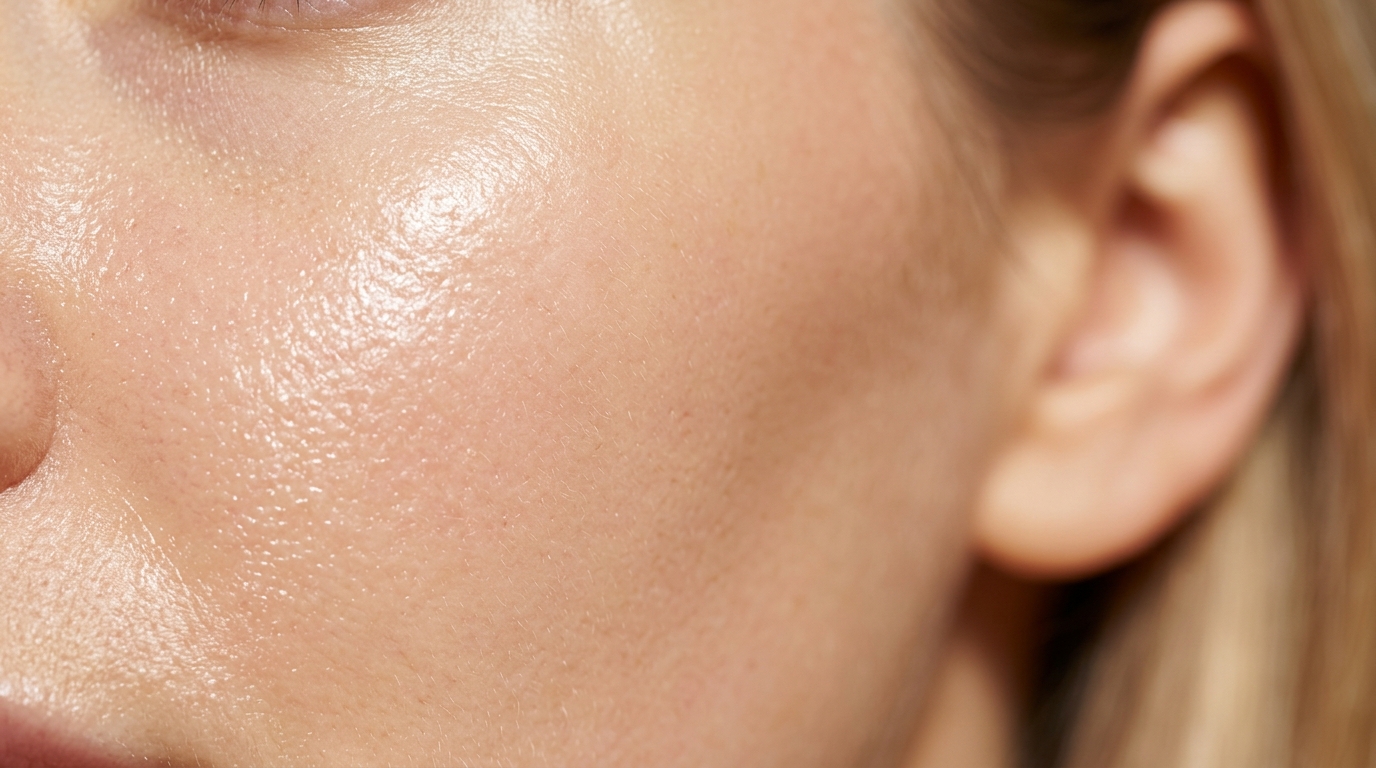
Skin Expert's Tips for Choosing and Using Anti-Wrinkle Cream!
- Choose ingredients that match your skin type and wrinkle type: For dry skin, focus on moisturizing ingredients; for sensitive skin, prioritize low-irritation peptides; if elasticity loss is severe, consider retinol or collagen booster ingredients.
- Start with a small amount and allow for an adjustment period: Retinol ingredients, in particular, can irritate the skin, so it's best to start with a small amount every other day and give your skin time to adjust.
- Consistency is key: Anti-wrinkle cream cannot be expected to show dramatic results in a short period. You need to use it consistently for at least 3 months to notice changes.
- Combining with sunscreen is absolutely essential: No matter how good your anti-wrinkle cream is, it's useless if you neglect sun protection. If you apply anti-wrinkle cream at night, always use sunscreen during the day.
- Don't forget your neck and the back of your hands: The neck and the back of the hands show signs of aging just as easily as the face. Apply the cream you use on your face to your neck and the back of your hands as well.
- Consult a dermatologist: If you're unsure which anti-wrinkle cream to use, or if you have wrinkle concerns that creams alone can't solve, consulting a dermatologist to find a customized solution is the wisest approach.
Anti-wrinkle cream is undoubtedly an important tool in anti-aging and wrinkle management. However, it is not a magic potion that can solve everything. Rather than blindly believing in the effects of anti-wrinkle cream, it requires the wisdom to accurately understand its ingredients and use it intelligently according to your skin condition.
Furthermore, maintaining healthy lifestyle habits and, if necessary, seeking the help of a skin expert through an integrated approach is crucial. With consistent attention and effort, your skin will surely reward you. I hope the information I've provided is a great help on your journey to youthful and healthy skin. If you have any questions, always consult an expert for accurate information!
Key Summary FAQ
Q1: When is the best time to start using anti-wrinkle cream?
A: Since wrinkles are difficult to completely eliminate once they appear, prevention is most important. It is generally recommended to start using it preventatively from the late 20s to early 30s, when collagen reduction in the skin begins. If fine lines are starting to become noticeable, you should use it even more actively.
Q2: Are there any precautions when using retinol cream?
A: Yes, retinol is an ingredient that requires caution due to its powerful effects. When first used, irritation such as redness, dryness, and stinging may occur, so it is important to start with a low-concentration product, using a small amount every other day, and allow for a skin adjustment period. Also, as it is sensitive to light, use it only at night, and always apply sunscreen diligently during the day. Pregnant or breastfeeding women should avoid using it.
Q3: Can anti-wrinkle cream alone improve deep wrinkles?
A: Anti-wrinkle cream is effective for fine lines, early wrinkles, and for improving skin elasticity and preventing aging. However, for deep-set wrinkles or expression lines, creams alone may have limitations. In such cases, combining with professional dermatological treatments such as Botox, fillers, or lifting lasers is more effective. It is important to consult an expert to find the optimal solution for your specific wrinkle type.